How Weight Sensor Technology Works in a Smart Fridge Vending Machine
Partager
What Is Weight Sensor Technology?
Weight sensor technology — also known as gravity sensing — is the system that allows a smart fridge vending machine to detect exactly which products a customer has taken, without any scanning, cameras, or staff involvement. Each shelf inside the machine is equipped with a precision weight sensor that continuously monitors the weight of products placed on it.
When a customer opens the door and removes an item, the sensor detects the change in weight on that specific shelf and records which product was taken. When the door closes, the system automatically calculates the total and charges the customer's payment method — all in under 30 seconds.
Step-by-Step: How the Checkout Process Works
- Customer pays: The customer taps their card or mobile payment on the card reader. The payment is pre-authorized but not yet charged.
- Door unlocks: Within seconds of payment, the door unlocks and the customer can open it freely.
- Customer grabs their item: The customer takes whatever they want from any shelf. The weight sensors on each shelf record the change in real time.
- Door closes: When the customer closes the door, the system finalizes the transaction based on the total weight removed.
- Auto-charge: The exact amount for the items taken is charged to the customer's payment method. If they put something back, the sensor detects this too and adjusts the charge accordingly.
Why Weight Sensors Are Better Than Other Methods
There are several approaches to automated retail checkout, including camera-based AI recognition and RFID tagging. Weight sensor technology has distinct advantages for fresh bakery and dessert products:
- No product tagging required: Unlike RFID systems, weight sensors don't require individual tags on each product, reducing packaging costs and restocking time
- Works with any packaging: Cakes, pastries, and desserts come in a wide variety of shapes and packaging — weight sensors work regardless of how the product is wrapped
- High accuracy: Precision sensors detect even small weight differences, making it suitable for lightweight items like individual pastries or cookie portions
- No lighting dependency: Unlike camera systems, weight sensors work reliably in any lighting condition inside the fridge
- Lower cost: Weight sensor systems are more cost-effective to manufacture and maintain than camera-based AI systems
How Products Are Configured in the System
Before the machine goes live, the operator sets up each product in the management software:
- Product name and picture
- Price per unit
- Weight per unit (used by the sensor to calculate how many items were taken)
- Expiration date and stock quantity
Once configured, the system knows that if, for example, 180g is removed from shelf 3, that corresponds to one slice of cheesecake priced at $6.50. This mapping is what makes accurate, automated charging possible.
What Happens If a Customer Changes Their Mind?
One of the most common questions about smart fridge vending is what happens if a customer puts a product back. The answer is simple: the weight sensor detects the increase in weight when the item is returned to the shelf, and the system adjusts the charge accordingly. If the customer puts everything back before closing the door, no charge is applied.
Remote Monitoring and Alerts
The weight sensor data doesn't just power the checkout — it also feeds into the machine's management software in real time. Operators can:
- See current stock levels for each shelf from anywhere via mobile or desktop
- Receive automatic alerts when a product is running low
- Track which products are selling fastest and adjust pricing or stock accordingly
Why This Matters for Fresh Food Retail
Traditional vending machines use spiral coils or elevator systems that are designed for packaged, uniform products. They struggle with fresh food — items that vary in size, are fragile, or need refrigeration. Weight sensor technology solves this by removing the mechanical delivery system entirely. The product sits on a shelf, the customer takes it directly, and the sensor handles the rest.
This makes smart fridge vending machines ideal for fresh bakery products, cakes, pastries, and desserts — categories that were previously impossible to sell through automated retail.
Weimi's Weight Sensor Implementation
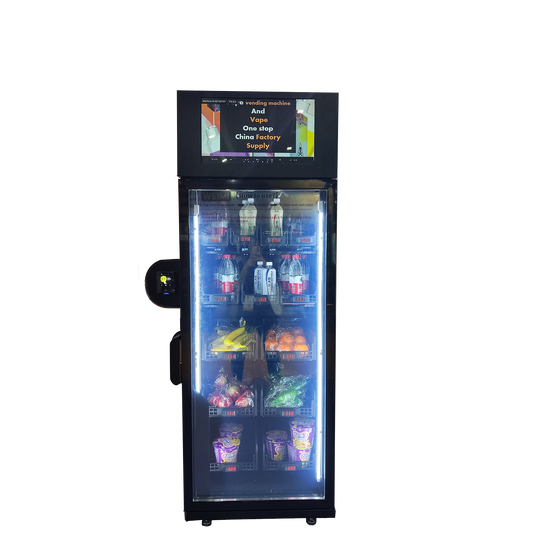
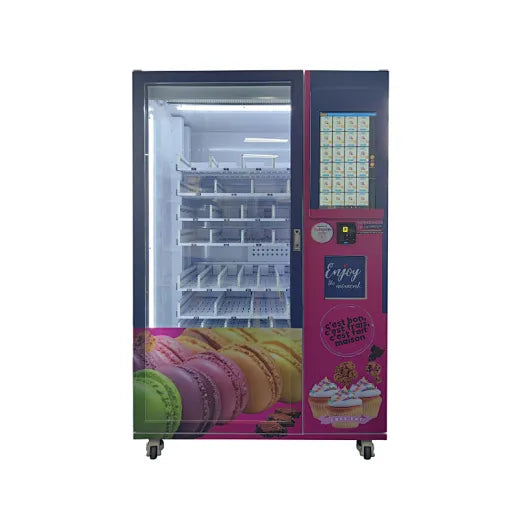
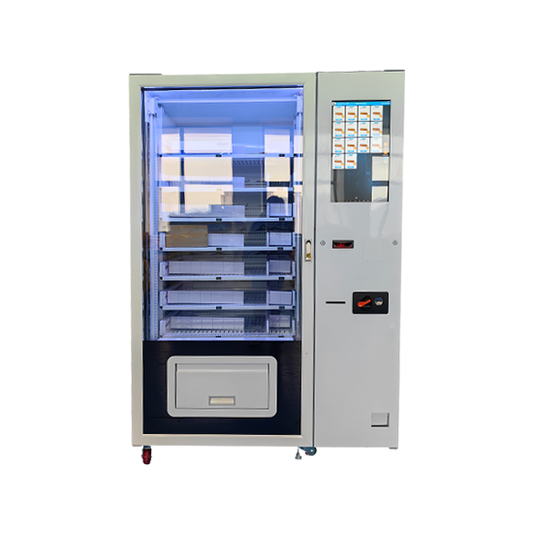
Weimi smart fridge vending machines feature a dedicated weight sensor on every basket shelf, with four optional basket sizes to accommodate different product dimensions. The system is calibrated for precision detection of lightweight items, making it suitable for everything from individual macarons to full cake slices.
Combined with real-time remote management, automatic expiration alerts, and an 18-month warranty, Weimi's weight sensor technology gives operators a reliable, low-maintenance foundation for 24/7 fresh food retail.