How Farms Sell Fresh Bread Without Staff on Site
Partager
For many farms that bake their own bread, sales follow a familiar pattern.
Weekend farmers’ markets are busy, loaves sell quickly, and customers ask for more. But once the weekend ends, sales slow down — not because demand disappears, but because no one is available to sell.
This is a common challenge for farms producing sourdough bread, sandwich loaves, rolls, and buns. The bread is ready, customers are interested, but selling is limited by time and staffing, not by production.
Weekend Markets Are Busy — Weekdays Are Silent
Farm-made bread often performs extremely well at weekend markets.
Customers value freshness, local production, and knowing where their food comes from.
During the week, however, reality looks very different:
- Farm work takes priority
- There is no one to watch the shop all day
- Opening hours are inconsistent
- Bread with a short shelf life cannot wait
As a result, many farms are forced to compress all sales into a few weekend hours, leaving potential weekday demand untapped.
Why Full-Time Staffing Is Not a Realistic Option
Unlike urban bakeries, farms are not designed around retail operations.
Hiring someone to sit at a farm shop or gate throughout the day is rarely practical.
For most farms:
- Labor is already limited
- Staff costs cannot be justified by uncertain weekday sales
- Managing people adds complexity to an already demanding operation
Simply “keeping the shop open longer” is not a realistic solution.
Farms Don’t Need a Store — They Need a Selling Point
The key shift comes from reframing the problem.
You already have:
- A farm kitchen producing fresh bread
- Customers who want to buy it
- A physical location where people pass by
What’s missing is a way to sell when no one is there.
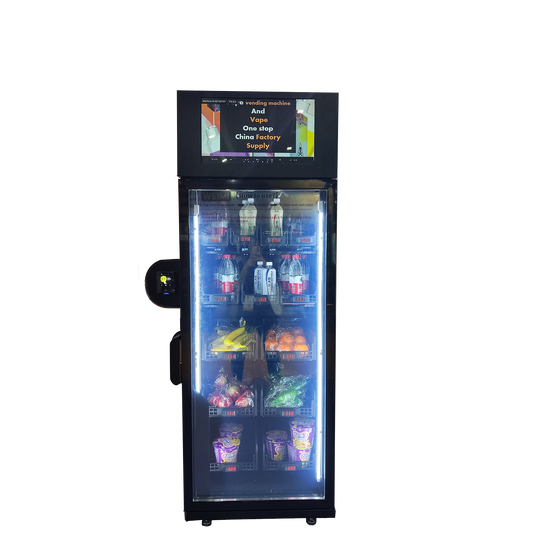
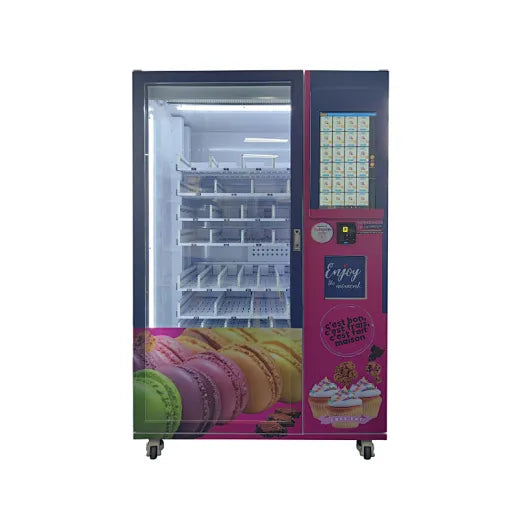
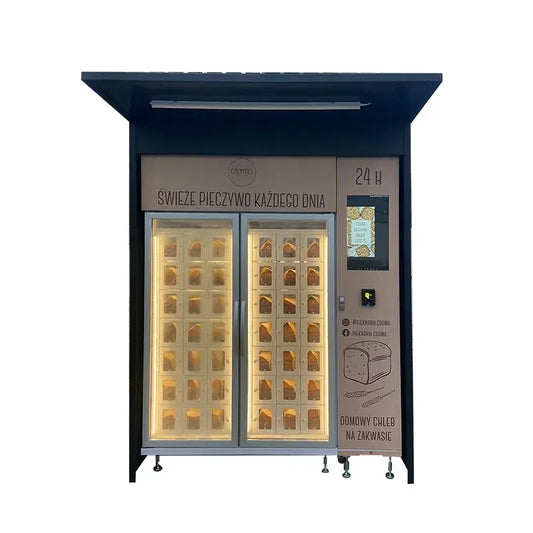
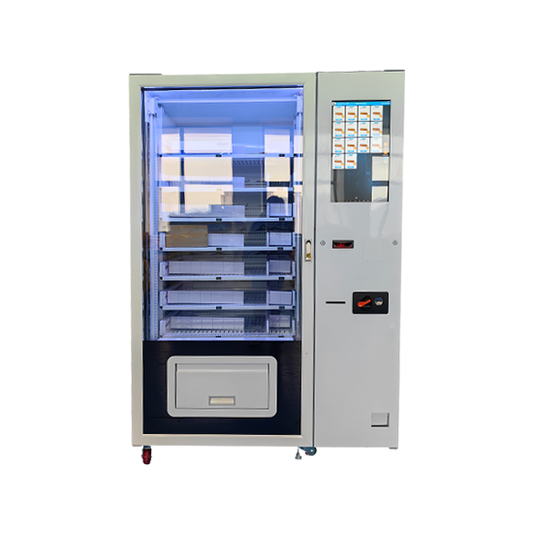
For many farms, this gap is filled by adding a small self-service bread vending unit at the farm gate or roadside shop — managed entirely by the farm itself.
How Self-Service Sales Fit Farm-Made Bread
Self-service sales work particularly well for farm-made bread because the products are simple, familiar, and already trusted.
Typical products include:
- Sourdough loaves
- Sandwich bread
- Rolls and buns
Bread can be stocked daily or for short selling periods, with clear pricing and minimal handling. Depending on the setup, basic cooling or temperature control helps maintain freshness, while the farm keeps full control over what is offered and when.
Importantly, customers know exactly whose bread they are buying.
The machine becomes an extension of the farm — not a replacement for it.
From Farm Kitchen to the Farm Gate
For many farms, the workflow does not change much:
- Bread is baked as usual
- Products are placed in the self-service unit
- The farm gate or roadside shop remains accessible
- The farm owner continues daily work
Sales happen automatically, even during early mornings, evenings, or weekdays when no one is available to serve customers.
This allows farms to turn existing foot traffic into consistent sales, without adding new responsibilities.
Why Unattended Bread Sales Work Long-Term for Farms
Self-service bread sales are not a temporary workaround.
They are a sustainable, long-term selling method for farms.
The benefits are practical:
- No need for full-time staff
- Sales are no longer limited to weekends
- Predictable operating costs
- Clear brand presence through farm name and design
Many farms treat self-service sales as a permanent part of their operation, supporting steady income throughout the week.
Is This the Right Setup for Your Farm?
This approach works best for farms that:
- Already bake their own bread
- Sell well at farmers’ markets or directly on-site
- Want to sell more without spending more time selling
If these points sound familiar, self-service bread sales are often a natural next step.
Selling More Farm Bread Doesn’t Mean Being There More Often
For farms, time is valuable and better spent on production and land, not on waiting behind a counter.
A simple self-service setup allows bread to be available when customers want it — even when no one is on site.
For many farms, the easiest way to explore this option is to look at how unattended bread sales are already being used at farm gates and farm shops, and consider whether the same approach fits their own operation.