What Should Bakeries Do with Unsold Bread? A Smarter, Brand-Safe Way to Handle Day-Old Bread
Aktie
What Should Bakeries Do with Unsold Bread?
Unsold bread is one of the most common — and least talked about — problems in bakeries.
Almost every bakery faces the same situation at the end of the day:
fresh bread was baked, customers came and went, and some products are left behind.
Throwing them away feels wasteful.
Discounting them on the counter feels risky.
Explaining “yesterday’s bread” to customers feels uncomfortable.
So what should bakeries do with unsold bread?
Why Day-Old Bread Is Not the Real Problem
Day-old bread itself is not the issue.
The real challenge is how it is presented, priced, and sold.
Traditional solutions often create new problems:
- In-store discounts train customers to wait
- Clearance shelves weaken brand perception
- Manual explanations increase staff pressure
- Mixing fresh and day-old products causes confusion
Many bakeries avoid selling day-old bread entirely — not because it can’t sell, but because it doesn’t fit their brand image.
A Smarter Way to Handle Unsold Bread
Instead of selling day-old bread inside the bakery, some businesses are choosing to separate the process completely.
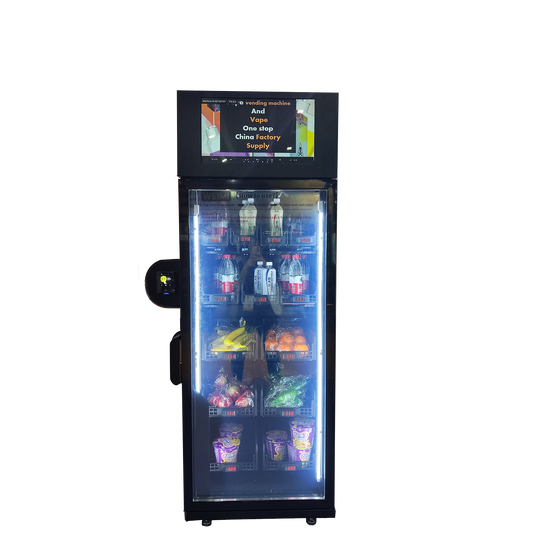
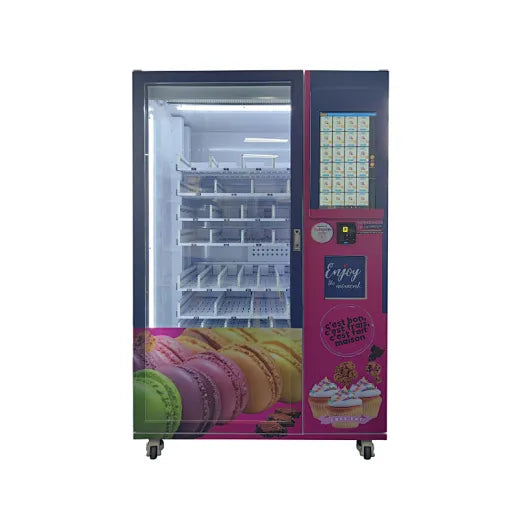
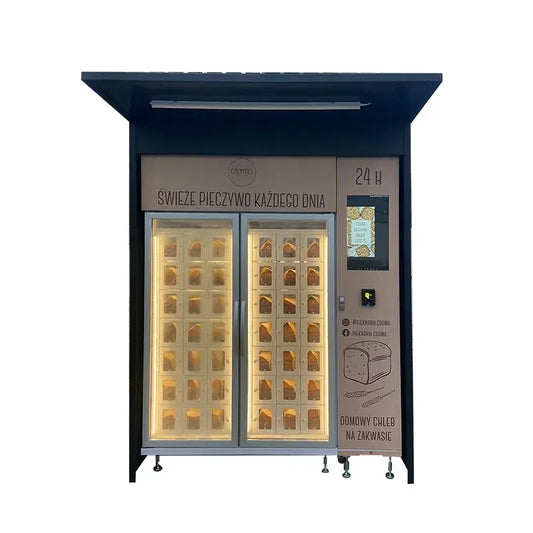
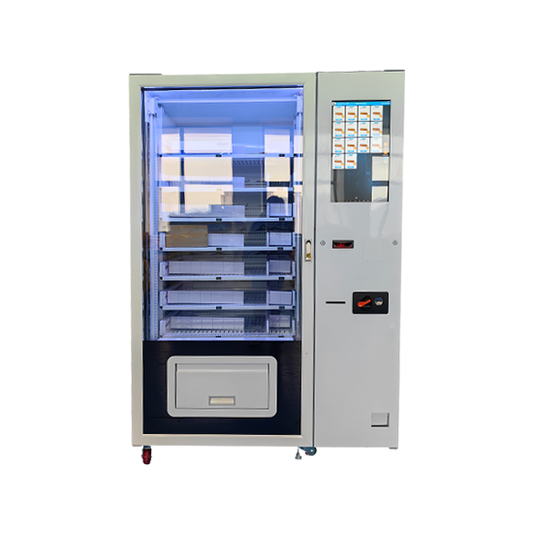
They use a bakery vending machine as:
- A controlled storage space
- A self-service sales point
- A system-driven pricing tool
Fresh bread stays in the shop.
Day-old bread moves to an automated channel.
This separation protects the core brand while allowing products to continue selling.
Where Automation Makes the Difference
Unlike a shelf or basket, a smart vending system allows bakeries to manage unsold bread professionally:
- Temperature-controlled storage to maintain quality
- Clear product information displayed on screen
- Automated pricing rules, including promotions or time-based discounts
- Expiration management, reducing risk and waste
- Unattended operation, no staff explanation required
Discounts, when used, are no longer emotional or improvised.
They are planned, scheduled, and handled by the system.
Selling Without Hurting the Brand
The key difference is not whether bread is discounted —
it’s where and how that decision happens.
Customers using a vending machine:
- Expect self-service
- Read information quietly
- Accept system-based pricing
- Do not associate discounts with store quality
This makes selling day-old bread feel neutral, professional, and brand-safe.
More Than Sales: A Practical Bakery Management Tool
For many bakeries, the vending machine is not just a sales device.
It becomes:
- A buffer for daily overproduction
- A tool for bakery waste reduction
- An extension of selling hours
- A way to monetize leftovers without changing in-store experience
The bakery keeps its identity.
The machine handles what the store shouldn’t.
A Realistic Option for Modern Bakeries
If your bakery already produces consistent bread and packaged products, automated vending can help you:
- Reduce unsold bread
- Lower daily waste
- Apply smart, time-based pricing
- Sell without adding labor
- Protect brand positioning
Unsold bread doesn’t have to be hidden or wasted.
Handled the right way, it becomes part of a smarter bakery operation.