Bagel Vending Machine Business in the US: Market Size and Entry Strategy
Aktie
Why the US Is the World's Most Promising Market for Bagel Vending
The United States consumes more bagels than any other country in the world. Americans eat an estimated 3 billion bagels per year, with demand concentrated in major metro areas like New York, Los Angeles, Chicago, Boston, and Miami. Bagels are not a niche product in the US — they are a mainstream breakfast and lunch staple with broad demographic appeal.
Yet despite this scale of demand, bagel retail remains surprisingly fragmented. Most bagels are sold through traditional bakeries, delis, and supermarkets — all of which have fixed hours, high overhead, and limited reach. The bagel vending machine represents an underutilized distribution channel with significant first-mover opportunity for entrepreneurs willing to move early.
Understanding the US Bagel Market
Market Size and Growth
The US packaged bakery market is valued at over $50 billion annually, with the bagel segment representing a multi-billion dollar slice. The grab-and-go food category — which includes packaged bagels and cream cheese combos — has grown consistently year over year, driven by:
- Busy urban lifestyles demanding fast, portable meals
- Increased preference for recognizable, trusted food formats
- Growth of remote and hybrid work creating new consumption occasions outside the office
- Rising demand for refrigerated fresh food in non-traditional retail locations
Who Buys Bagels in the US?
The US bagel consumer skews toward working adults aged 25–54, with higher purchase frequency in urban and suburban markets. Key consumption occasions include:
- Breakfast on the go — the dominant use case, especially in transit hubs and office districts
- Lunch — bagels with cream cheese or deli fillings as a midday meal
- Post-workout snack — high-carb, filling, and portable
- Late-night food — particularly on college campuses and in urban areas
Each of these occasions represents a vending opportunity — because traditional bagel shops are rarely open when these needs arise.
The Vending Machine Opportunity in the US
A Fragmented Retail Landscape
Unlike supermarket shelf space — which requires significant marketing spend and distributor relationships — vending machine placement is negotiated directly with location owners. This gives independent operators and emerging bagel brands a direct path to retail without the gatekeepers.
High Willingness to Pay
American consumers are accustomed to paying a convenience premium. A bagel that retails for $1.50 in a supermarket can command $3.50–5.00 in a vending machine located in an airport, corporate lobby, or university building — and customers accept this pricing because the alternative is leaving the building.
Underserved Hours
Most bagel shops in the US open between 6–7 AM and close by 2–3 PM. A vending machine captures the evening, overnight, and early morning demand that no staffed location currently serves.
Entry Strategy: How to Launch a Bagel Vending Business in the US
Step 1: Define Your Product
Before placing a machine, you need a reliable supply of packaged bagels with sufficient shelf life for vending (minimum 5–7 days refrigerated). Your options:
- Partner with a local bagel bakery to package and supply product exclusively for your machines
- Source from a regional wholesale distributor carrying established bagel brands
- Launch your own brand with a co-packer producing to your recipe and packaging spec
The third option offers the highest margins and brand equity but requires more upfront investment. Many operators start with option one or two and transition to private label as volume grows.
Step 2: Identify Your First Location
Your first machine should be in a location where you can validate demand quickly and restock easily. High-priority targets for US operators:
- Corporate office buildings in business districts — consistent weekday traffic, premium pricing accepted, building management often welcomes food amenities
- University campuses — high volume, late-night demand, long contract terms available through campus services
- Fitness centers and gyms — post-workout nutrition demand, members receptive to healthy grab-and-go options
- Hospital campuses — 24/7 foot traffic from staff, visitors, and patients; underserved by traditional food retail
- Apartment building lobbies — growing trend of amenity vending in residential buildings, especially in NYC and other dense urban markets
Step 3: Negotiate Your Placement Agreement
Most US location owners expect a revenue share arrangement — typically 10–20% of gross vending sales — in exchange for floor space and electricity. Some locations, particularly corporate offices, may charge a flat monthly fee instead. Always negotiate a minimum 12-month term to justify your machine investment.
Step 4: Choose the Right Equipment
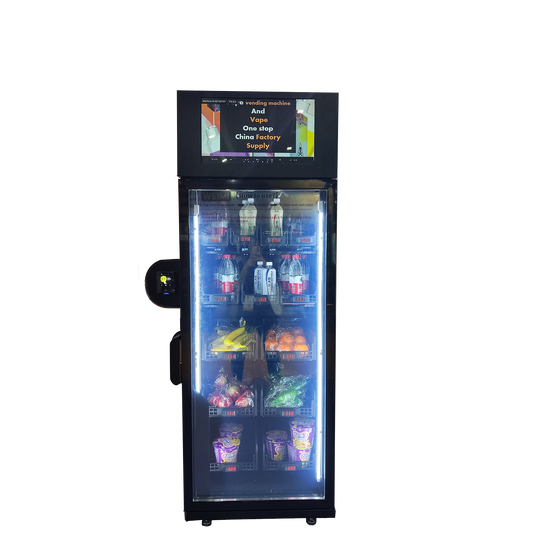
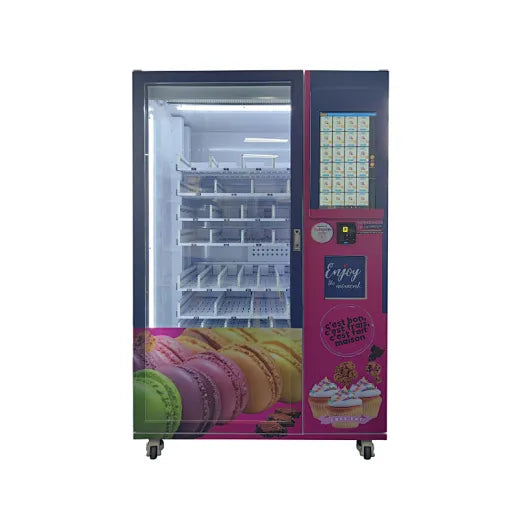
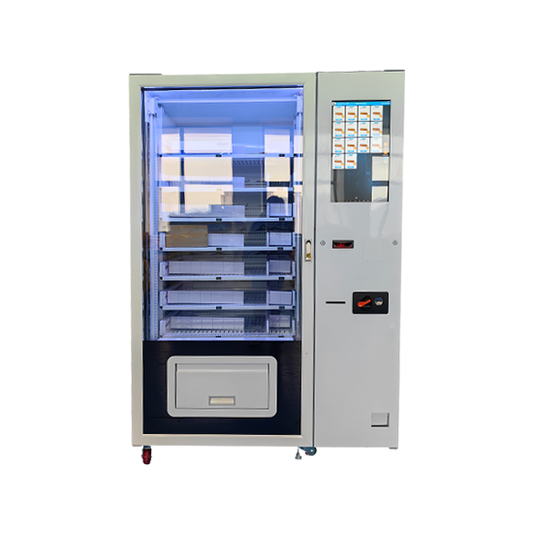
For fresh bagel and cream cheese vending in the US market, your machine must be refrigerated. Key requirements:
- Stable 2–6°C cooling to meet FDA food safety guidelines for refrigerated ready-to-eat foods
- Lift delivery system to protect packaged products from damage
- Cashless payment — credit card, Apple Pay, Google Pay are essential for US consumers
- Remote monitoring software for inventory and expiry management across multiple locations
- ADA-compliant touchscreen interface (required in many US commercial buildings)
Step 5: Price for the US Market
US vending pricing should reflect location, product quality, and competitive alternatives. A general framework:
- Single packaged bagel: $3.00–4.50
- Bagel + cream cheese combo: $4.50–6.50
- Premium or specialty bagel (everything, sesame, cinnamon raisin): $4.00–5.50
Test pricing at launch and adjust based on sell-through rate. If you're selling out before your next restock, your price is too low.
Step 6: Scale with Data
Once your first machine is profitable, use its sales data to inform your second location. Which SKUs sell fastest? Which days drive the most volume? What time of day peaks? This data — available through your machine's IoT dashboard — removes the guesswork from expansion decisions.
Regulatory Considerations for US Operators
Operating a food vending machine in the US involves several compliance requirements that vary by state and municipality:
- Food handler's permit — required in most states for anyone handling or distributing food commercially
- Vending machine operator license — required in many states; check your state's department of agriculture or health
- Sales tax registration — food sales tax rules vary significantly by state; some states exempt food, others do not
- Location-specific permits — airports, hospitals, and government buildings may require additional vendor approvals
Consult a local business attorney or your state's small business development center before launching to ensure full compliance.
Is Now the Right Time to Enter?
The US fresh food vending market is growing, but the bagel vending niche specifically remains largely untapped. Most vending operators in the US still focus on ambient snacks and beverages — the refrigerated fresh food segment is where the next wave of growth is happening.
Operators who enter now benefit from low competition, strong consumer demand, and the ability to establish location relationships before the market becomes crowded. The window for first-mover advantage in bagel vending is open — but it won't stay open indefinitely.
Weimi's refrigerated vending machines are built for the US market — supporting cashless payment, remote IoT management, and full OEM branding. Contact us to discuss your entry strategy and get a quote.