Waffle Vending Machine: Is It a Viable Business in 2026?
Share
Waffles and Vending: An Unlikely Pairing That's Starting to Make Sense
Waffles have always been a crowd-pleaser. From Belgian street markets to American brunch menus, their appeal crosses cultures and demographics. But until recently, selling waffles at scale meant either a staffed café, a food truck, or a market stall — all of which come with significant labor and logistical overhead.
The emergence of premade waffle vending machines is changing that equation. In 2026, a growing number of food entrepreneurs and bakery operators are asking whether a waffle vending machine can be the foundation of a profitable, scalable business. The answer, in the right circumstances, is yes — but it requires a clear-eyed understanding of both the opportunity and the operational realities.
What Is a Waffle Vending Machine?
A waffle vending machine is an automated retail unit designed to dispense premade, individually packaged waffles. Unlike fresh-made waffle machines (which require on-site cooking equipment and staff), premade waffle vending machines work with waffles that have been produced in a central kitchen or bakery, packaged, and loaded into the machine for sale.
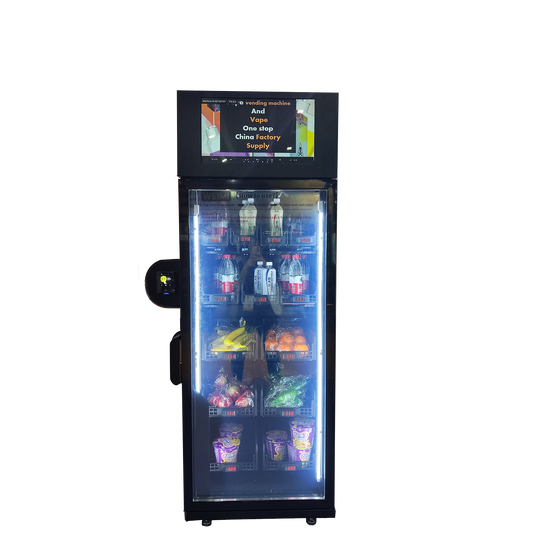
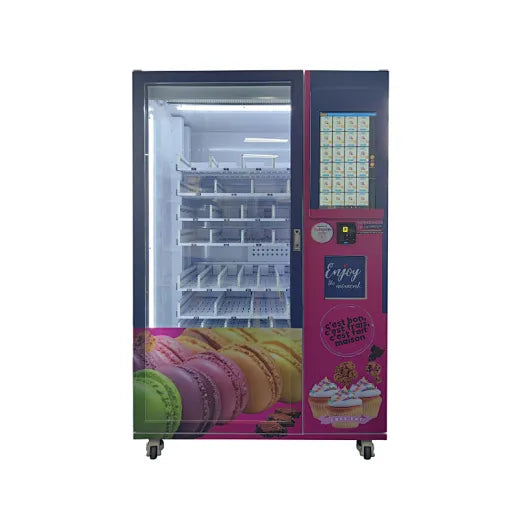
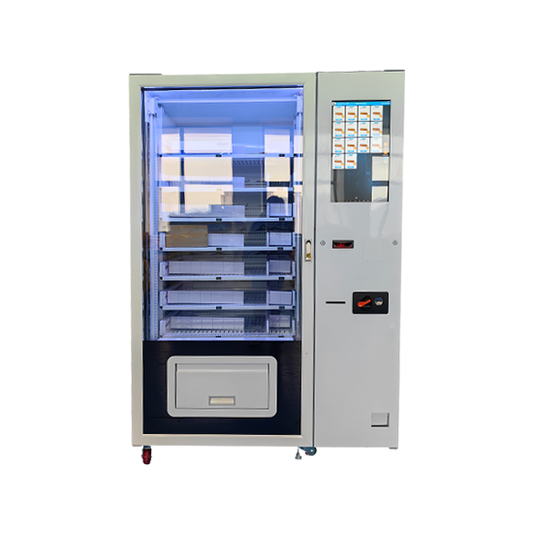
Modern units typically feature a touchscreen interface, cashless payment support, and temperature-controlled storage to maintain product freshness. The best models include elevator dispensing systems that handle the delicate structure of waffles without crushing or deforming them — a critical detail that separates a good customer experience from a frustrating one.
The Business Case for Waffle Vending
Low Labor, Strong Margin Potential
Waffles are a relatively low-cost product to produce at scale when made in batches. That production efficiency, combined with the absence of staffing costs at the point of sale, creates a favorable margin structure. The vending format removes the need for a cashier, a counter, or a dedicated retail space — costs that typically consume a significant portion of food business revenue.
Strong and Consistent Consumer Demand
Waffles perform well as an impulse purchase. They're visually appealing, familiar, and satisfying — qualities that translate effectively to the vending format, where customers make quick decisions based on what they see on screen. Flavored and premium waffle variants — matcha, chocolate, fruit-filled, or protein-enriched — have shown strong traction in markets where consumers are willing to pay more for a differentiated product.
Unlike some niche food categories, waffles have broad demographic appeal. They work as a breakfast item, a snack, and a dessert — which means a well-placed waffle vending machine can generate sales across multiple dayparts rather than peaking at a single time of day.
A Less Crowded Market
Compared to cake or cookie vending, the waffle vending segment is less saturated. That means less direct competition at the machine level, more opportunity to establish brand recognition in a given location, and more room to differentiate on product quality and presentation.
Key Challenges to Consider
Shelf Life and Freshness Management
Premade waffles have a shorter shelf life than many other vending machine products. Depending on the recipe and packaging, ambient waffles may last several days, while refrigerated variants can extend shelf life considerably. This means restocking frequency is higher than for shelf-stable products, and expiry management software becomes essential rather than optional.
Operators who underestimate this challenge end up with significant waste and inconsistent product quality — both of which damage the customer experience and erode margins over time.
Product Differentiation Is Non-Negotiable
The waffle vending market may be less crowded, but that also means there's less established consumer behavior to leverage. Operators need to invest in product quality and presentation to build repeat purchase habits. A generic, uninspiring waffle won't generate the word-of-mouth and return visits that sustain a vending business. Your product needs to be good enough that customers actively seek out the machine again.
Machine Selection Matters More Than You Think
Not all vending machines handle waffles well. The dispensing mechanism needs to accommodate the shape and fragility of the product without causing breakage or deformation. Standard spiral dispensers apply rotational force that can damage waffles — elevator-based systems are strongly preferred. Temperature control is also important: waffles stored at the wrong temperature lose their texture and appeal quickly, which directly affects repeat purchase rates.
What Makes a Waffle Vending Business Succeed?
Product Quality as the Foundation
The operators who succeed in waffle vending treat the product as seriously as any premium bakery would. This means investing in a good recipe, quality ingredients, and packaging that preserves freshness and presents the product attractively. A waffle that looks and tastes great sells itself — and generates the social media attention that drives new customers to the machine organically.
Smart Location Selection
High foot traffic is necessary but not sufficient. The best locations for waffle vending are those where customers have a few minutes to pause — near seating areas, coffee stations, cinema lobbies, or entertainment venues. A waffle is an enjoy-in-the-moment product more than a grab-and-run one, so placement near comfortable spaces increases dwell time and purchase likelihood. Shopping malls, university campuses, sports facilities, and hotel lobbies are all strong candidates.
Disciplined Restocking and Inventory Management
Because of the shorter shelf life, waffle vending requires a more disciplined restocking schedule than ambient products. Operators who build efficient restocking routes and use remote monitoring software to track inventory levels in real time are able to maintain consistent product availability without over-stocking and wasting product. This operational discipline is what separates profitable waffle vending operations from ones that struggle with waste and stockouts.
Branding and Visual Identity
A branded machine — with custom graphics, a recognizable name, and a clear product story — consistently outperforms a generic unit. Customers are more likely to try a product from a machine that looks professional and communicates something about what they're buying. For waffle vending specifically, where the product itself is visually appealing, high-quality product photography on the machine screen and exterior can significantly increase conversion rates.
Is a Waffle Vending Machine Right for You?
A waffle vending machine is a viable business in 2026 for operators who:
- Have access to a reliable source of quality premade waffles — either through their own production or a trusted supplier
- Can commit to a consistent restocking and quality control schedule
- Are willing to invest in a machine with proper temperature control and gentle elevator dispensing
- Have identified one or more high-traffic placement locations with the right customer profile
It is less suitable for operators looking for a completely passive income stream, or those who aren't prepared to manage the product quality and freshness requirements that waffles demand.
Final Thoughts
The waffle vending machine opportunity is real, but it rewards operators who approach it with the same seriousness as any food business. Get the product right, choose the machine carefully, place it strategically, and manage it actively — and a waffle vending operation can be a genuinely profitable and scalable addition to a food business portfolio in 2026.