Using Bread Vending Machines to Simplify Breakfast Management in Convenience Stores
Share
Breakfast is one of the most time-sensitive sales periods in convenience stores. Customers arrive in a rush, staff are under pressure, and product turnover is concentrated within a short window of time. While breakfast items such as bread, sandwiches, and pastries can generate steady daily revenue, managing them efficiently is not always simple.
For many convenience store operators, the challenge is not demand. The challenge is control.
The Hidden Pressure Behind Breakfast Sales
In most convenience stores, breakfast products are placed on open shelves or refrigerated displays. Staff are responsible for:
- Restocking products
- Checking expiration dates
- Removing near-expiry items
- Managing price labels
- Handling peak-hour checkout
During morning rush hours, these tasks overlap. When staff numbers are limited, expiration checks and stock monitoring may be delayed or rushed. Even experienced employees can miss items approaching their sell-by date.
Over time, this leads to product waste, inconsistent display management, and operational stress.
The Real Cost of Manual Expiration Management
Expiration control is especially critical for bakery and ready-to-eat breakfast products. Manual checking relies heavily on routine and discipline. However, in a busy retail environment:
- Labels can be overlooked
- Stock rotation may not be consistent
- Near-expiry products may remain on display
- Paper-based tracking lacks real-time visibility
Beyond financial loss from unsold goods, there is also a brand risk. Food safety and freshness directly affect customer trust.
For multi-store operators, maintaining consistent expiration control across locations becomes even more difficult.
Is There a More Structured Way to Manage Breakfast Sales?
Rather than expanding staff or reducing product categories, some operators are exploring a more structured solution: separating breakfast products into a managed, automated unit.
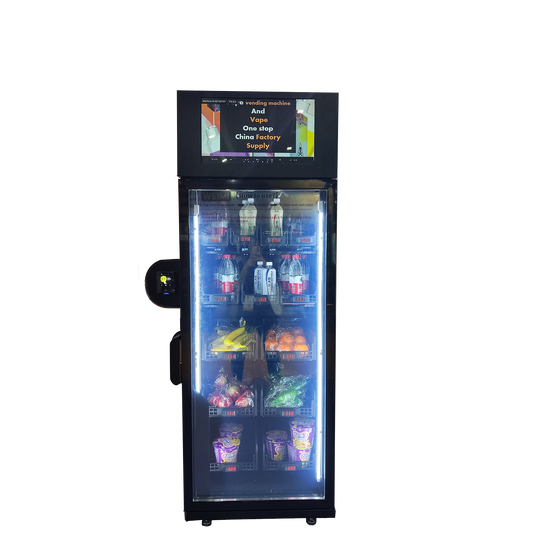
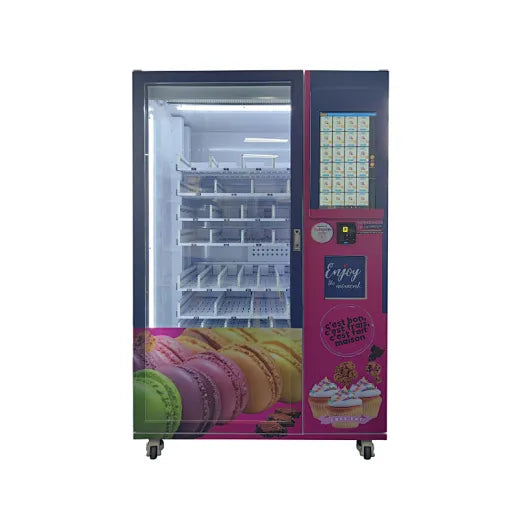
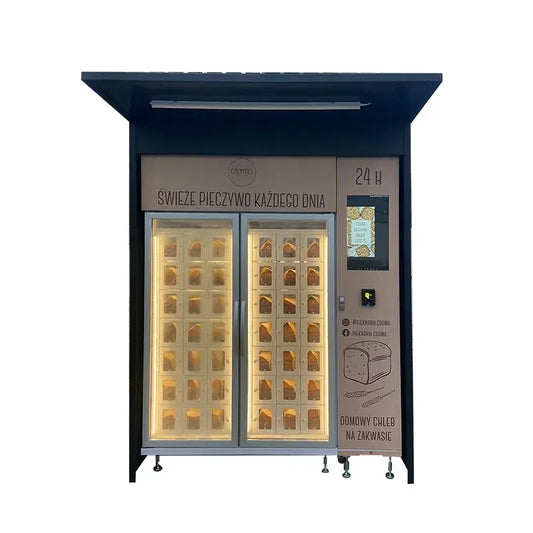
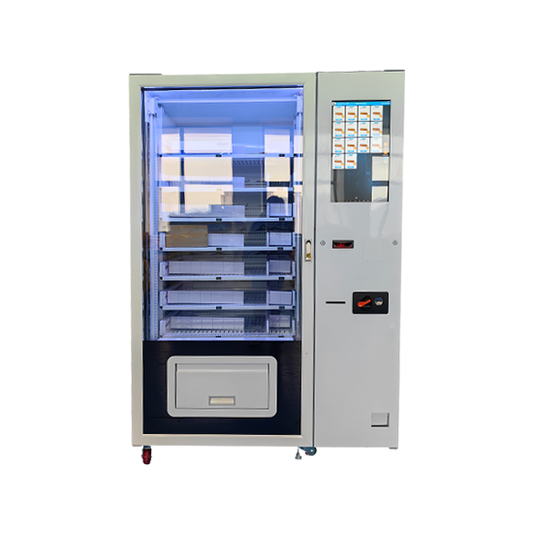
A bread vending machine placed inside the convenience store can function as a dedicated breakfast section. Instead of relying entirely on manual shelf management, the vending system provides structured inventory control and sales tracking.
This is not about replacing store operations. It is about optimizing one specific category.
How a Bread Vending Machine Supports Convenience Store Operations
When used inside a convenience store, a bread vending machine becomes a controlled breakfast cabinet. Key operational advantages include:
Independent Inventory Monitoring
Store managers can view stock levels through the vending machine system, reducing the need for constant manual checks.
Sales Data Tracking
Daily sales data allows operators to understand which products move quickly and adjust restocking accordingly.
Structured Product Display
Products are stored in individual slots, reducing handling and improving organization.
Reduced Peak-Hour Interruption
During busy mornings, customers can select and purchase breakfast items directly from the machine, allowing staff to focus on checkout and other tasks.
By consolidating breakfast products into a single managed unit, convenience stores reduce operational friction without expanding labor.
Minimizing Expiration Risks Through System Support
One of the most practical benefits of integrating a bread vending machine into a convenience store is improved visibility.
Digital sales records and inventory monitoring help managers identify slow-moving products. Instead of relying solely on manual inspection, operators gain data support for decision-making.
This structured approach reduces the likelihood of overlooked expiration dates and improves product rotation planning.
While staff oversight remains important, automation provides an additional layer of control.
A Practical Upgrade, Not a Disruption
Introducing a vending machine into a convenience store does not require a redesign of the entire layout. The machine can function as a complementary breakfast unit within existing retail space.
It does not replace traditional shelves.
It does not eliminate staff roles.
It simply introduces a more organized way to manage a time-sensitive product category.
For store owners facing labor shortages and increasing operational pressure, this represents a controlled, scalable adjustment rather than a radical transformation.
Improving Breakfast Efficiency Without Increasing Staff
Convenience stores continue to operate in an environment where labor costs are rising and efficiency matters more than ever. Breakfast remains a stable demand segment, but managing it manually can strain limited staff resources.
Using a bread vending machine as part of a convenience store’s breakfast strategy allows operators to:
- Reduce repetitive manual checks
- Improve expiration visibility
- Stabilize product presentation
- Support peak-hour flow
It is not a replacement for retail expertise, but a tool that strengthens operational consistency.
For convenience store owners and retail managers seeking to simplify breakfast management while maintaining control, integrating an automated vending solution offers a practical and measured step forward.