Slim Cookie Vending Machines: Planning a Small-Footprint Retail Setup
Share
Not every bakery, café, or commercial site has room for a large vending installation. A slim cookie machine can make unattended sales possible in a smaller area, but a compact footprint does not make planning optional. Operators still need to account for customer access, product protection, servicing, and the economics of a limited assortment.
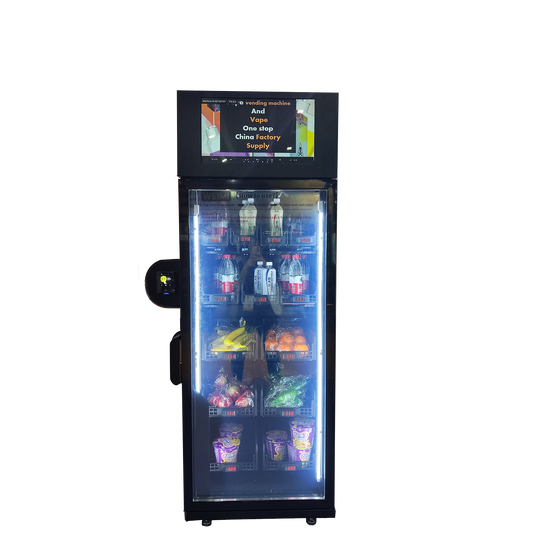
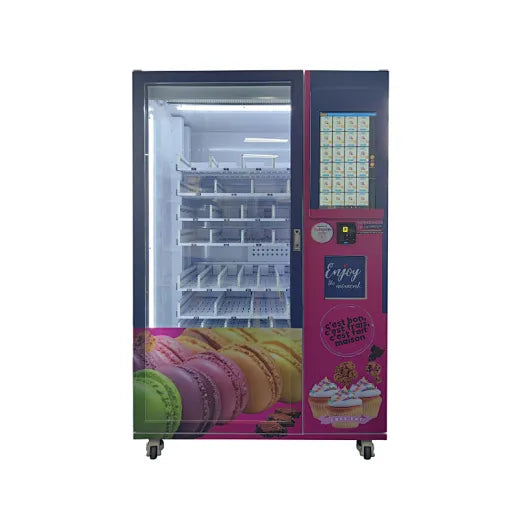
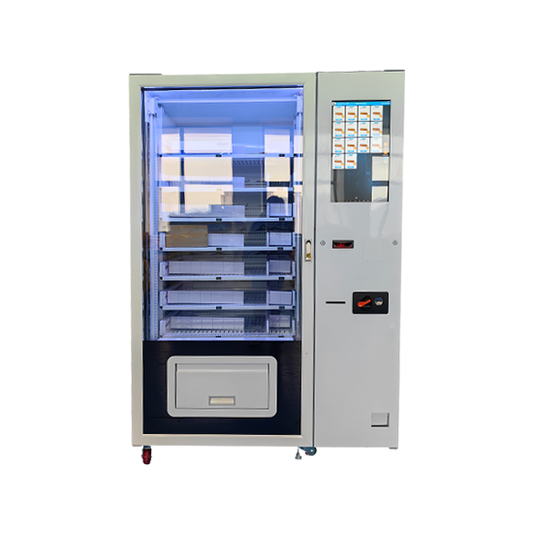
WEIMI’s slim automatic cookie vending machine is described with a touchscreen, elevator delivery, direct pusher lanes, and remote inventory features. The opportunity lies in using those capabilities within a carefully chosen site.
Measure the Space People Actually Need
The machine’s dimensions are only the beginning. Check the route into the building, floor suitability, available power, installation requirements, and any service clearances specified for the equipment. Technicians and staff must be able to reach the machine, while customers need room to view the screen, pay, and retrieve their cookies.
Observe the site at busy times. A corner that seems quiet in the morning may block a walkway at lunch. A highly visible location may still be unsuitable if people cannot stop safely. Confirm the property owner’s permission and relevant site requirements before committing to a position.
Sketch the customer and refill routes on a floor plan. Include open doors and people standing at the screen, not just the machine’s closed dimensions.
Build a Focused Cookie Range
Limited machine space rewards a disciplined assortment. Begin with a few cookies that are easy to distinguish and have a clear reason to sell. Decide whether the offer is an individual treat, a multi-cookie pack, or a giftable product. Then align packaging, product photography, and on-screen descriptions.
Test each finished pack in the dispensing system. Fragile cookies, bulky toppings, and loose assortments may need different protection. Measure breakage and presentation after delivery, not merely whether the pack fits. Set storage, labelling, allergen, and selling rules for the actual products you stock.
Give the Machine a Specific Job
If the machine sits beside an existing bakery or café, decide what it should accomplish. It might serve customers after closing, reduce queues at busy times, or bring packaged cookies to another part of a building. A defined role helps you assess whether the machine creates additional value rather than duplicating the staffed counter.
The touchscreen should quickly explain flavours, pack sizes, prices, and pickup. Product images need to match current stock, and sold-out items should not remain available to buy. A first-time customer should understand the process without staff assistance.
Plan the Refill Route as Carefully as the Sales Floor
Remote inventory information can help staff prepare for replenishment. Expiry controls and near-expiry offers can support an established stock policy. Neither removes the need for on-site checks. During each visit, inspect packaging, labels, cleanliness, payment status, the delivery path, and actual quantities.
If staff must carry stock through a crowded area or refill at an inconvenient time, the operational cost of a “small” machine can grow quickly. Choose a schedule that protects product quality while keeping labour practical. Compare after-hours demand with sales during staffed trading, then adjust the assortment.
Prove the Site Before Replicating It
Give the installation a defined pilot period. Measure sales alongside product margin, waste, breakage, service calls, and staff time. Judge the result against the machine’s intended job: after-hours access, quicker service, or incremental sales.
A slim format saves floor space only when the entire operation—shopping, pickup, maintenance, and replenishment—fits the location too.